

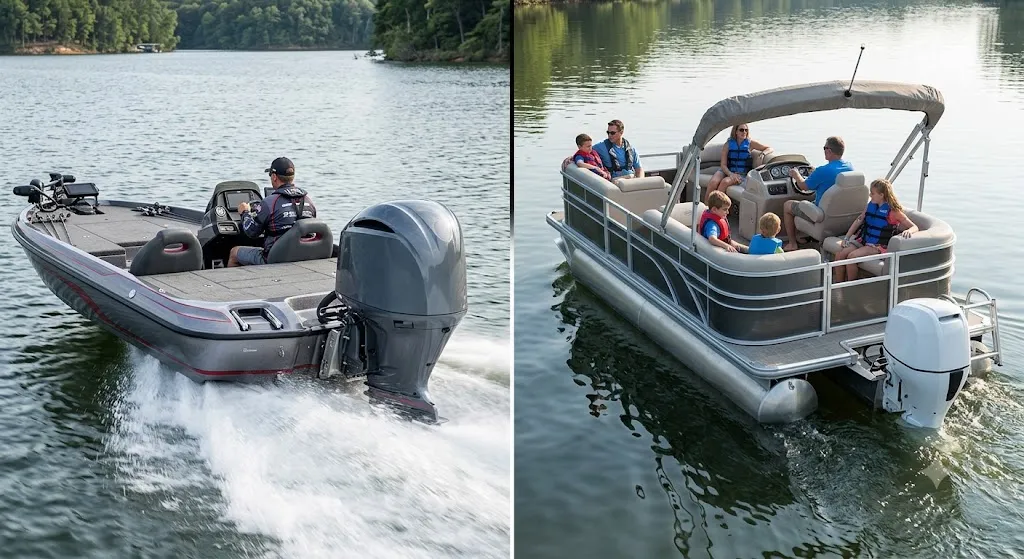
Choosing an outboard motor becomes easier when the decision starts with boating habits rather than specifications alone. Two people may own similar boats but still need very different engines because they use them in different ways.
Someone comparing Outboard Motors for Sale should think carefully about trip length, passenger load, water conditions, cruising speed, and how often the boat is used. These everyday details often matter more than chasing the highest horsepower figure.
Fishing Trips Need Different Priorities
Fishing boats often spend long periods moving slowly before traveling quickly between locations. That means smooth low-speed control can be just as important as strong acceleration.
Anglers should also think about the extra weight created by tackle, coolers, live wells, batteries, and other equipment. The engine needs enough usable power to move the boat comfortably when it is fully loaded.
Family Cruising Requires Flexibility
Family boating usually involves changing loads and different activities during the same outing. One trip may include relaxed cruising, swimming stops, or carrying several passengers.
In this situation, the engine should provide predictable response without feeling difficult to control. Comfortable cruising performance can be more valuable than chasing maximum speed.
Watersports Need Strong Acceleration
Boaters who enjoy towing activities often place more importance on quick acceleration. The engine needs to help the boat reach planing speed efficiently when carrying passengers and towing equipment.
Propeller choice also plays an important role here. The correct setup can improve how the boat responds when pulling additional weight from a slower starting speed.
Long-Distance Cruising Changes the Focus
Owners who regularly travel longer distances should pay close attention to fuel use and cruising efficiency. A motor that performs well at a steady speed can make extended trips more practical.
Range planning becomes especially important when fuel stops are limited. Buyers should consider how the engine performs during normal cruising rather than focusing only on top-speed figures.
Coastal Boating Needs Extra Durability
Saltwater exposure creates additional maintenance concerns. Corrosion protection, regular flushing, and consistent inspection become more important for boats used near the coast.
Owners should think about how easy the engine is to maintain after each trip. Good maintenance habits can make a major difference in long-term reliability in harsh marine environments.
Engine Weight Affects Handling
The weight of the outboard can influence how the boat sits in the water. Too much weight at the stern may change balance, steering response, and planing behavior.
This is especially important when replacing an older engine. Newer models may have different dimensions and weights, so compatibility should always be checked before installation.
Features Should Match Real Needs
Modern outboards can include digital controls, electronic gauges, power trim, and advanced steering systems. These features can improve convenience, but not every boat owner needs all of them.
Someone considering a Mercury Outboard should compare available features with the way the boat is actually used. Useful technology should solve practical problems rather than simply add complexity.
Maintenance Should Fit the Owner
Every outboard requires routine care. Service schedules may include fluid checks, filter replacement, propeller inspection, cooling-system maintenance, and corrosion prevention.
Owners who use their boats frequently should consider how easy the engine is to service. Reliable access to qualified technicians and replacement parts can make ownership much simpler.
Consider Typical Passenger Load
A boat that performs well with one person may behave differently when carrying several adults and extra gear. Added weight can affect acceleration, cruising speed, and fuel consumption.
Buyers should think about the heaviest normal load rather than testing decisions against an almost empty boat. This creates a more realistic picture of everyday performance.
Plan for Future Boating Habits
Boating needs can change over time. An owner who currently fishes alone may later use the boat more often for family trips or longer coastal journeys.
Choosing an engine with some flexibility can help the setup remain useful as habits change. However, the motor should always stay within the boat manufacturer’s approved power and weight limits.
Conclusion
The best outboard choice depends heavily on how the boat is used in real life. Fishing, family cruising, watersports, long-distance travel, and coastal use each create different expectations for power, control, efficiency, and maintenance.
By focusing on actual boating habits, owners can avoid choosing an engine based only on specifications. A motor that suits the boat’s everyday workload is more likely to deliver comfortable performance, manageable running costs, and dependable use over time.